
Welcome New Docents and Become a Tabling Volunteer!

Photo Credit: Shannon Lee

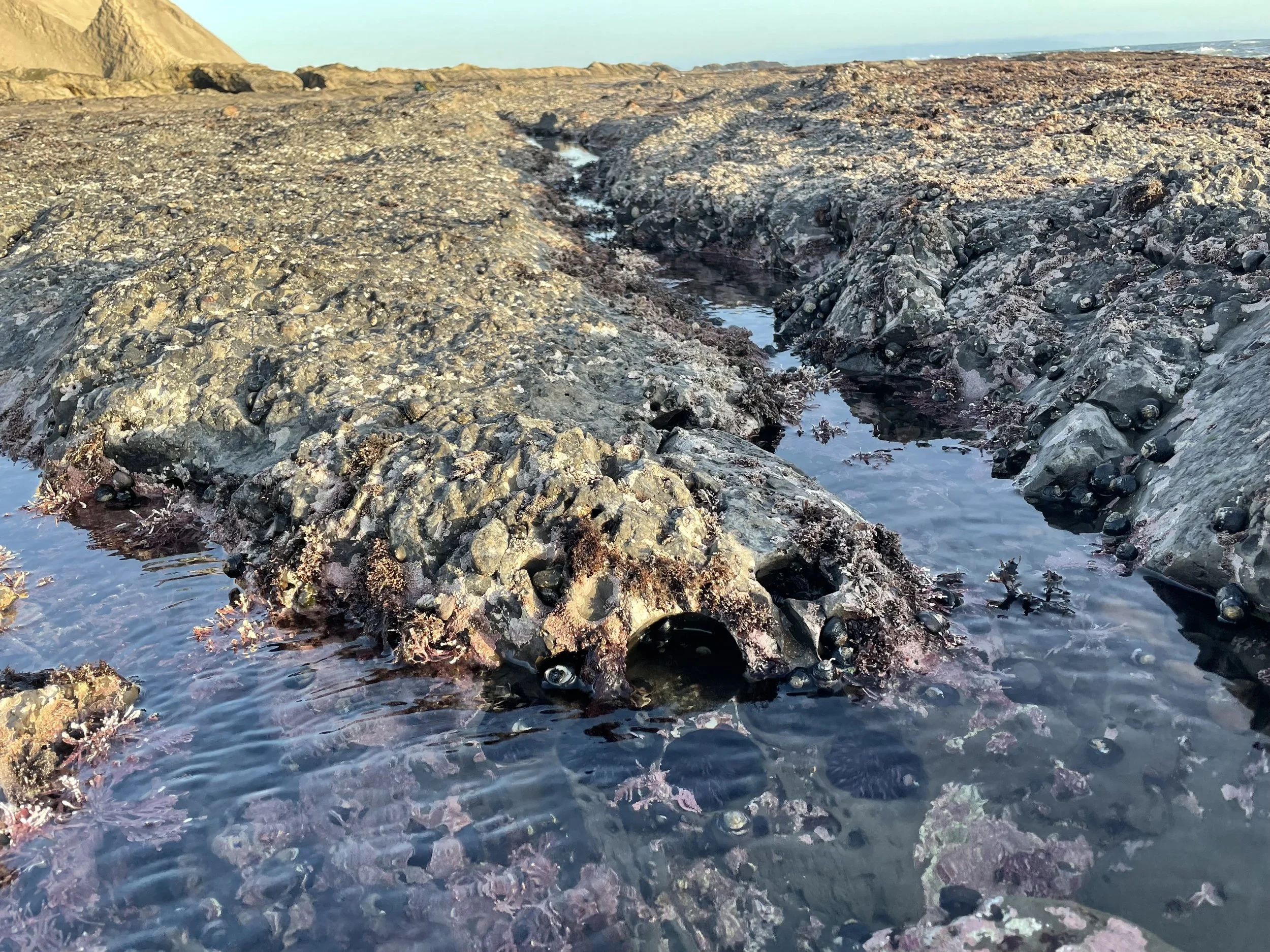
Duxbury Reef continues to amaze and inspire visitors and locals alike. This winter, there were fewer red octopus sightings than last winter, but the variety of sealife—from brightly colored purple urchins to delicate nudibranchs—treated visitors to a magical experience. We are so lucky to have such dedicated volunteers on our docent team to help educate visitors about the fascinating marine species, reef habitat, Marine Protected Areas (MPAs), and protective tidepooling practices that will safeguard the reef’s biodiversity for future generations. This is especially important as climate and ocean changes will continue to stress marine life in addition to the impacts caused by high visitation. 

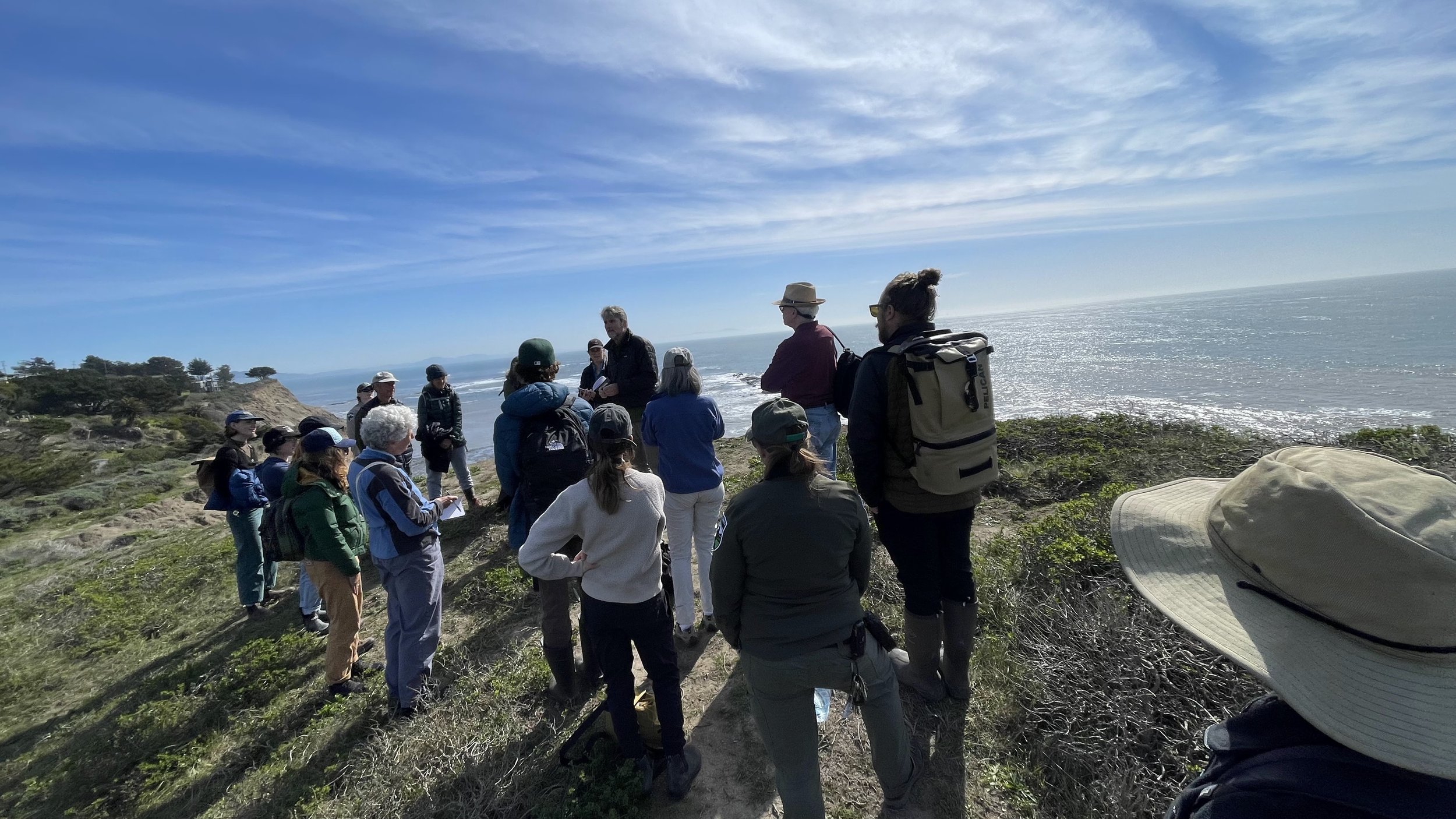
This winter, we trained and welcomed 9 new docents to our team! Joining us from the East Bay, Marin (including West Marin and Bolinas), Sonoma, and San Francisco, they are eager to help educate the visiting public while they continue to learn about Duxbury Reef’s species and habitat. Spending time and serving at the reef is a lifelong learning adventure! We are so grateful for all of the docents' dedication to protecting this rare and special place on our coast, one of the largest shale reefs in North America.

We have also expanded our program by adding a tabling option to facilitate visitor education as people head down to the reef. Docents who don’t feel up to standing on the reef on any particular day now have the option to educate visitors at the trailhead, where we have set up access to a fold-out table, information materials, and a dry touch-table box. The touch box enables people to handle the shells of animals found at Duxbury (but not collected in the MPA), which we hope will deepen their understanding and reduce the urge to handle live marine life on the reef. We’d love to expand our tabling team; if you are interested in educating visitors at Duxbury Reef, but can’t invest time for the full docent training, please contact leslie@eacmarin.org to learn how to become a Duxbury Tabling Docent.

Thank you to all the instructors and guest speakers who helped train the docents this year, including Kent Khtikian (community volunteer and Duxbury Docents co-founder), Kathy Ann Miller (UC Berkeley), Shannon Lee (Sonoma State), Terry Gosliner (California Academy of Sciences), Paul Hobbi (NOAA Greater Farallones), Dave Press (Point Reyes National Seashore), Scott Moller (Marin County Parks and Open Space), Nathan Kemp (California Department of Fish and Wildlife), and Dean Hoaglin (Coast Miwok Tribal Council).

When you visit Duxbury Reef, keep an eye out for docents in green vests, and please remember to protect the reef with these recommendations: Observe with your eyes and avoid handling the marine life, leave everything in its place, and try to avoid stepping on living things that are often hidden and camouflaged. By walking slowly and taking time to look closely, you will see the incredible variety of marine life that calls the reef home.

Learn More
Duxbury Docents
Visit the Reef

Welcome, New Duxbury Docents!

Duxbury Reef continues to amaze and inspire visitors and locals alike. This winter, lucky observers were excited to see beautiful yet highly vulnerable soft-bodied mollusks, including a variety of nudibranchs and the red octopus, which come to the shallow reef to brood their young and have not been seen there for several years. As a go-to destination for school groups and weekend visitors, reports of amazing sightings bring even more people to Duxbury Reef. We are so lucky to have such dedicated volunteers on our docent team to help educate visitors about the fascinating marine species, reef habitat, Marine Protected Areas (MPAs), and protective tidepooling practices that all visitors can take to protect the reef’s biodiversity for future generations. This is especially important as climate and ocean changes will continue to stress marine life in addition to the stress that high visitation causes. 

Welcoming our Newest Docents to Duxbury Reef

We are excited to announce our 2023 cohort of volunteer docents at Duxbury Reef! A fantastic and curious group who are enthusiastic and looking forward taking shifts on the Reef. 

Our docent program started in January 2022 and has now grown to a team of 21 people. Our volunteers generoulsy donate their time to provide outreach and education to visitors to the reef during low tides and days we estimate will have high visitation. We were thrilled to learn that some of our new docents joined the program this year because they engaged with our docents on the Reef in 2022! 

The foundation of our program is to provide positive outreach and engagement with the visiting public on the Reef and inspire curiousity and stewardship. To meet these goals, our docents go through a 5-week training course to learn about the ecology and species on the Reef and the regulatory and management framework of the area. 

First Round of Duxbury Docents Training Launched!

We launched the training for the first team of Duxbury Docents on the day the tsunami washed into Marin County shores. To keep everyone safe, we decided to cancel the field trip for the day, but pivoted our program introduction to remote format. Though we didn’t cover as much as we planned, it was great to get to know our docent team a little bit and share some background on tidepool stewardship and MPAs.

Duxbury Docent Program Kicks Off

In early 2020, EAC met with Marin County Parks and Open Space with local Bolinas resident and Marin Marine Protected Area (MPA) Watch volunteer, Kent Khitkian, to present a report on the increased visitation at Duxbury Reef that examined the data collected by our MPA Watch volunteers. The report focused on the ecological significance of Duxbury Reef’s intertidal area and concerns that visitation could be irreparably harming the reef species and habitats. We proposed a partnership between EAC and Marin County Parks and Open Space to create an on-site volunteer docent program to provide the visiting public with information and resources about the rocky intertidal habitat at Duxbury Reef.